UK partnerships
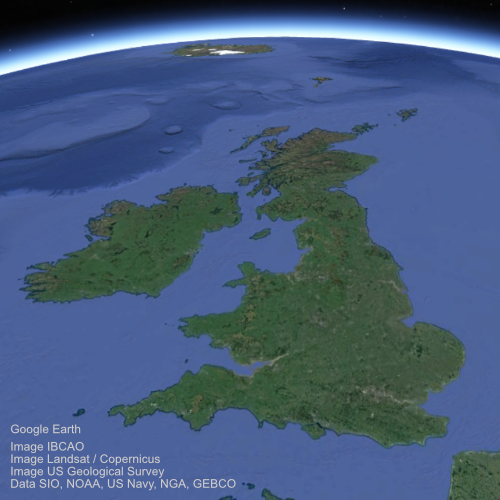 Scientific research and data
ECN contributes data to a number of UK-wide monitoring programmes, and some ECN sites are locations for monitoring coordinated by other networks. These other networks include:
- UK Air Pollution Impacts on Ecosystems Networks
- Butterfly Monitoring Scheme
- Rothamsted Insect Survey
- Upland Waters Monitoring Network
- UK Eutrophying & Acidifying Network
More on co-location of monitoring
Many of our partners - particularly our research partners - maintain strong connections within the wider environmental research community. This includes links to universities and other research institutes.
Our approach is to use common monitoring protocols wherever possible, to facilitate data sharing
Policy-making and management
ECN member organisations include policymakers at both national level and in the three UK countries: England, Scotland and Wales. We also have good links with the Northern Ireland administration through two Northern Irish partners. The statutory nature conservation authorities in England, Wales and Scotland are also represented, each of whom is represented in the Joint Nature Conservation Committee (JNCC). The JNCC has strong links with the Northern Ireland Environment Agency, another ECN member.
European partnerships
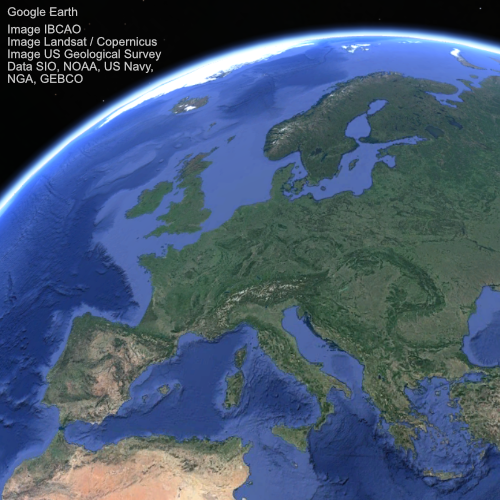 The principal European network in which ECN plays an active role, is eLTER (previously LTER-Europe), a network of mainly national-level long-term ecosystem research networks. ECN is the UK node in eLTER and members of ECN play an active role, e.g. via a series of eLTER projects. We have provided data and expertise and hosted international researchers at some ECN sites via transnational access schemes.
eLTER is the European regional network of ILTER, a global network (see below).
Some ECN sites also contribute to European networks, including INTERACT and GLORIA (Cairngorms) and ICP Forests (Alice Holt). Individual ECN partner organisations are active in a wide range of European networks and projects.
Global partnerships
The main global network in which we are actively involved is ILTER, the International Long-Term Ecological Research Network. ILTER - which has been operating for three decades - was chaired for several years by Dr Terry Parr, a former ECN coordinator at UKCEH. Several ECN partners take an active role in ILTER-led initiatives.
[Images on this page courtesy of Google. Google Earth. Images: IBCAO, Landsat / Copernicus, US Geological Survey. Data: SIO, NOAA, US Navy, NGA, GEBCO]